

The Ministry of Industry is campaigning massively for the use of local products, as this will energize domestic industry. Besides the general public, the Increased Use of Domestic Products (P3DN) program also targets agencies using the state budget.
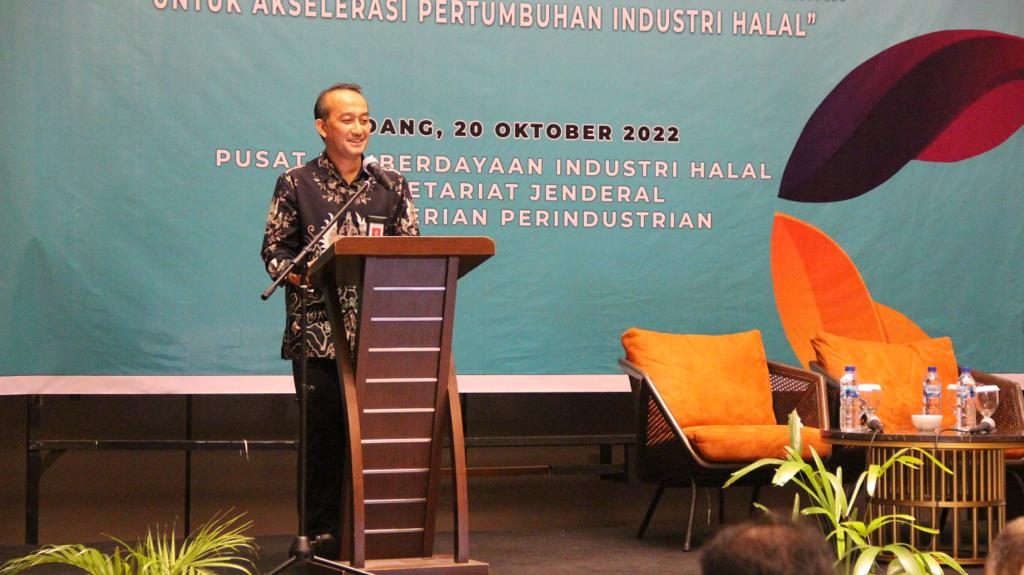
“Indonesia has a very large market, with a population of over 270 million. This needs to be optimized and amplified in the go-local campaign to use local products,” Ministry of Industry Secretary General Dody Widodo said in Jakarta on Monday (31/10).
The Secretary General outlined key reasons to use local products: Indonesian products should be king in their own country, it increases industrial productivity, creates jobs and reduces unemployment, increases foreign exchange and investment from industry, and boosts the national economy and public welfare.
Industry has consistently made a significant contribution to the national economy. “In Q1 2022, industry contributed 19.19% of national GDP, exports accounted for 71.55% in January–September 2022, and it employed 18.64 million people,” he said.
Dody explained that P3DN is implemented through two approaches: campaigning across society and optimizing government procurement. In line with this, Kemenperin also initiated Domestic Component Level (TKDN) certification. “TKDN certificates support domestic industrial self-reliance, and these local products will be prioritized in procurement of goods and services,” he said.
With TKDN certification, industry keeps working to optimize local components in its products. This can drive the growth of the domestic component industry, creating an integrated manufacturing structure that improves competitiveness.
“The minimum local component in industrial products is about 25 percent, plus the company benefit weight (BMP), which includes, for example, having a production line in Indonesia, investment, local employment and so on,” he added.
Under the Minister of Industry Regulation, domestic products that must be used must have a TKDN of at least 25%. In procurement, users must use domestic products if there are domestic products whose combined TKDN and BMP value is at least 40%.
Breaking into Global Markets
Dody said several local products have broken into global markets, including food and beverages, fashion, crafts and defense equipment. These exported local products are considered high quality because they meet the standards of recipient countries.
“For example, Indomie is sold in 80 countries and Kopiko candy in over 100 countries. PT Pindad, which produces various defense equipment, has received orders from many countries for armored vehicles and rifles. PT Sritex even makes military uniforms for the Philippines and supplies bulletproof vests to NATO personnel,” he said.
To support P3DN, with the Minister of Industry as Executive Chair of the National P3DN Team, Kemenperin held business matching in Bali some time ago, bringing together domestic product users—from central and regional governments to state-owned enterprises—with the industries that make the products.
“At that business matching, domestic product spending commitments reached IDR 214.3 trillion, setting a MURI record as the largest domestic product spending transaction over three days,” Dody said.