
Indonesia's manufacturing sector has shown solid resilience amid global pressure throughout the first year of the government of President Prabowo Subianto and Vice President Gibran Rakabuming Raka. Despite the trade war between the United States and China, soaring energy prices and global supply chain disruptions, the non-oil and gas manufacturing industry (IPNM) has continued to record expansive performance and remains the main pillar of national economic growth.
This positive performance has been supported by government policies focused on increasing productivity, strengthening the industrial structure and accelerating technological transformation. In particular, the Ministry of Industry has championed policy reforms based on added value and technological adaptation, which are believed to be key to maintaining industrial competitiveness amid rapid global economic change.
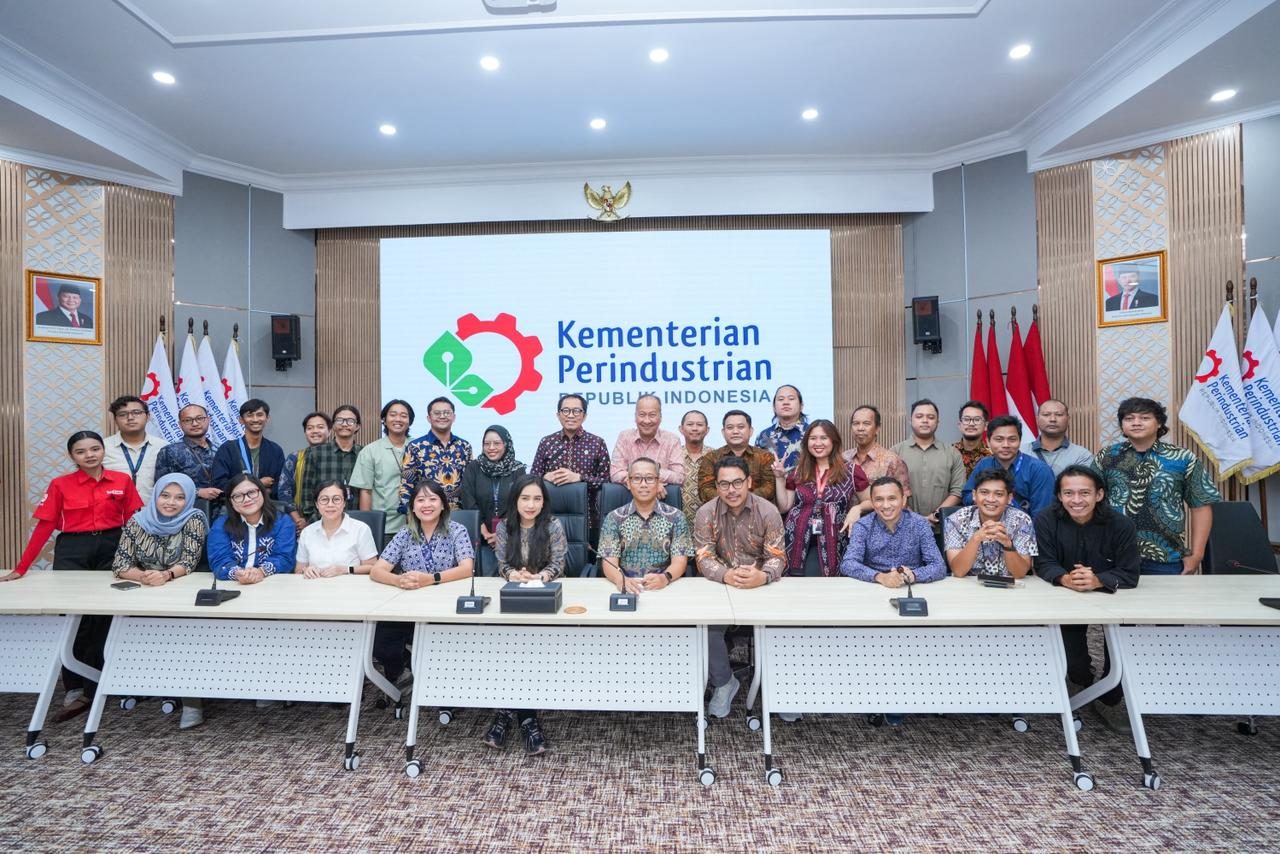
“Various global dynamics have pushed the government to strengthen an industrialization strategy based on domestic added value. Indonesia's industrial sector has proven resilient in facing external pressure thanks to industrialization policies, market expansion and support for domestic industry,” Minister of Industry Agus Gumiwang Kartasasmita said at the press conference “1 Year of Red and White Cabinet Industrial Performance” in Jakarta on Monday (20/10).
The Minister of Industry said one of Kemenperin's efforts is the launch of the Domestic Component Level (TKDN) policy reform. The reform is part of a national economic smart policy package to respond to increasingly complex industrial challenges. The new policy focuses on four main areas: incentives for industries that invest at home, simplified TKDN calculation, ease for small industries through a self-declare mechanism, and faster certification down to the second tier of the supply chain.
With this simplification, industry players now have faster and more transparent access to certification, while the added value of using domestic products can be maximized. This step is expected to expand national industry's participation in the supply chains of government strategic projects, while creating new jobs in various regions.
“The TKDN reform is not merely about improving administration, but a grand strategy to strengthen demand for finished products through government spending, in order to strengthen the downstream industrial supply chain in intermediate industries and on to upstream industries, which we know as deepening the industrial structure,” he said.
Besides policy reform, Kemenperin has also recorded significant progress in the national halal industry ecosystem. According to the State of the Global Islamic Economy Report (SGIER) 2024/2025, Indonesia ranks third in the world after Malaysia and Saudi Arabia, with the highest score increase compared with 2022. Indonesia even leads in three main subsectors: modest fashion, halal pharmaceuticals and cosmetics, and halal food, all of which are closely related to manufacturing activities.
The development of the halal industry is considered strategic because it offers broad export opportunities for domestic industry players. The government is committed to strengthening cross-sector collaboration to ensure that Indonesia is not only a consumer of halal products, but also a leading producer of halal products in the global market.
In line with this, digital transformation in the manufacturing sector continues to accelerate through the application of Industry 4.0 technology. According to reports from 29 National Lighthouse Industry 4.0 companies, digitalization has doubled productivity, sped up production time by up to 600% and reduced carbon emissions by up to 190%.
“Digital transformation not only increases efficiency, but also shapes an industry that is greener, more modern and highly competitive,” the Minister of Industry said.
The Startup for Industry (S4I) program has also been a driving force for collaboration between technology startups and the national industrial sector. Through this program, young innovators gain access to financing, long-term partnerships and opportunities for global expansion. A number of startups supported by Kemenperin have even won international awards in Germany and Hong Kong, reflecting the innovative capabilities of Indonesia's young people on the global stage.
To maintain the sustainability of industrial operations, Kemenperin has consistently overseen the Specific Natural Gas Price (HGBT) policy. In 2025, the industrial sector was the largest user of natural gas, with an allocation of 25.91% of total national consumption. Kemenperin supports implementing this policy sectorally, so that energy subsidies can be better targeted and support industrial productivity.
In addition, Kemenperin runs an industrial machinery and equipment restructuring program to strengthen production efficiency, productivity and product competitiveness. Throughout 2024, the program reached 34 agro-industry companies, 49 textile and textile product companies and 90 small and medium industries. The total machine replacement value reached IDR 65.1 billion and spurred new investment of more than IDR 700 billion.
According to the Minister of Industry, modernizing production machinery is an important part of the agenda to increase the efficiency and quality of national products. “More efficient and modern machines mean lower production costs, higher product quality, improved worker skills and stronger industrial competitiveness,” he said.
Going forward, Kemenperin will continue to strengthen added value-based policies, expand the implementation of Industry 4.0 technology and strengthen cross-sector synergy to ensure national industry remains the main engine of the economy.
“With an adaptive policy foundation and the collaborative spirit of all stakeholders in the industrial ecosystem, we are very optimistic that the industrial sector will become increasingly resilient, self-reliant and globally competitive on the way to Golden Indonesia 2045,” the Minister of Industry concluded.
Source: Press Release of the Ministry of Industry of the Republic of Indonesia