

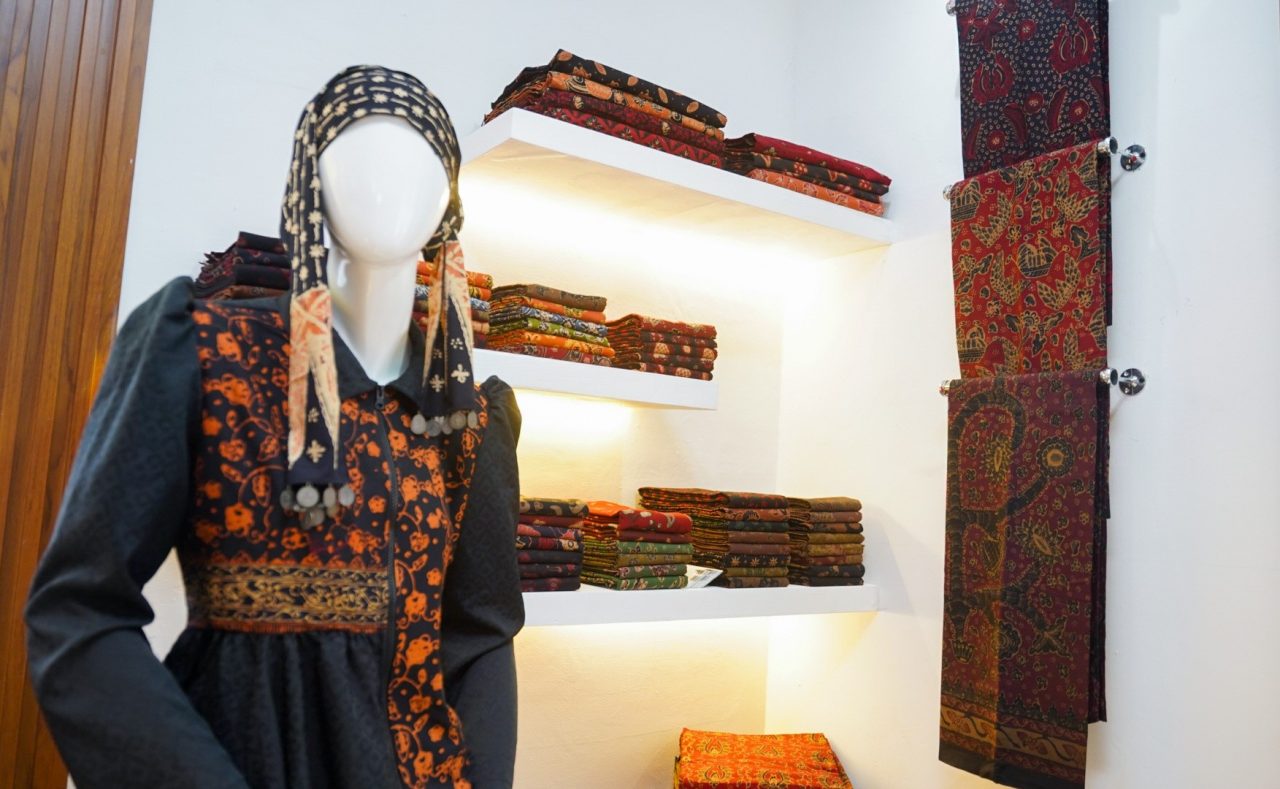
The Ministry of Industry remains committed to strengthening the business management foundations of small and medium industries (SMIs) so that they can grow sustainably and adapt to industry dynamics. One such effort is the role of the Fashion and Craft Industry Empowerment Center (BPIFK), which has partnered with the Business & Export Development Organization (BEDO) to run the Management, Acceleration and Transformation (MANTRA) Bali program.
The MANTRA program is designed to increase the productivity and competitiveness of fashion and craft SMIs through responsible and collaborative management practices based on the ILO-SCORE method.
Minister of Industry Agus Gumiwang Kartasasmita stressed that strengthening business management is the main key to driving the transformation and sustainability of national SMIs. In his view, increasing SMI productivity depends not only on the technical aspects of production, but also on business governance that is well organized, efficient and oriented toward continuous improvement.
“The MANTRA program is one of the Ministry of Industry's important instruments for building SMIs' managerial capacity, so that businesses can manage resources more effectively, improve work quality and strengthen the competitiveness of national fashion and craft products,” the Minister of Industry said in a statement on Tuesday (6/1).
The MANTRA Bali program ran from 12 November to 12 December 2025 through a series of activities including outreach and a kick-off, participant curation, classroom learning, industry visits, on-site coaching at business premises and a final presentation session.
This comprehensive approach is designed to help SMI players identify the main problems in their workplace, draw up improvement plans and implement real changes in productivity, efficiency, work quality and labor relations.
The Director General of Small, Medium and Miscellaneous Industries (IKMA), Reni Yanita, said increasing SMI productivity needs to start with improving management and work systems at business level. “The MANTRA Bali program is a concrete example of how organizing production management, strengthening work discipline and collaboration between management and workers can drive higher SMI productivity. Transforming the way work is done at business level is important so that fashion and craft SMIs become more efficient, adaptive and competitive,” Reni said.
Four selected SMIs took part in the MANTRA Bali Program: Geokraft (Denpasar City), Amod Bali (Gianyar Regency), Jaya Dewata (Gianyar Regency) and TB Shop (Badung Regency). Participants made gradual improvements tailored to the initial conditions of each business unit to strengthen their operational management foundations.
Geokraft strengthened production control by introducing an order monitoring board, organizing pattern archives and grouping leftover production materials. Amod Bali built a transparent timeline-based production progress monitoring system along with organizing and labeling work materials, improving coordination and order in the production area.
Jaya Dewata began applying work safety and orderliness by providing first-aid facilities and labeling raw materials, while TB Shop organized and labeled its work areas to clarify workflows and make supervision easier.
The Head of BPIFK, Dickie Sulistya Aprilyanto, added that the MANTRA Bali program focuses not only on improving technical skills, but also on changing mindsets and work culture in the business environment. “Through MANTRA Bali, we encourage SMIs to improve from the most basic aspects, building management that is more organized, collaborative and oriented toward continuous improvement as the foundation for increasing productivity and competitiveness in the future,” he explained.
BPIFK hopes the implementation of the MANTRA Bali Program can become a model for developing fashion and craft SMIs based on sustainable management that can boost labor productivity, business process efficiency and the quality of labor relations, while strengthening the competitiveness of the national fashion and craft industry.
Source: Press Release of the Ministry of Industry of the Republic of Indonesia